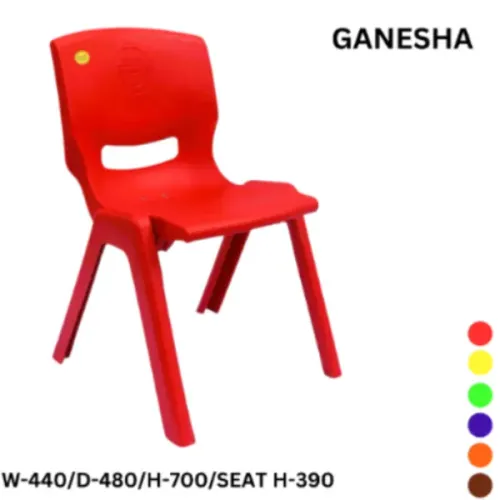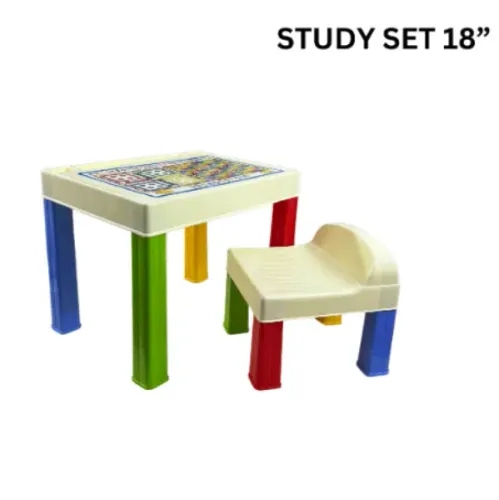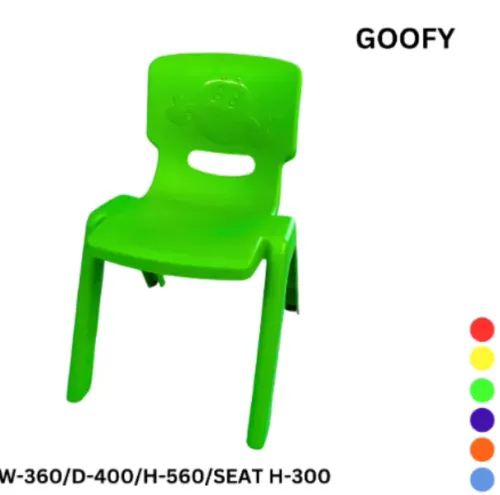


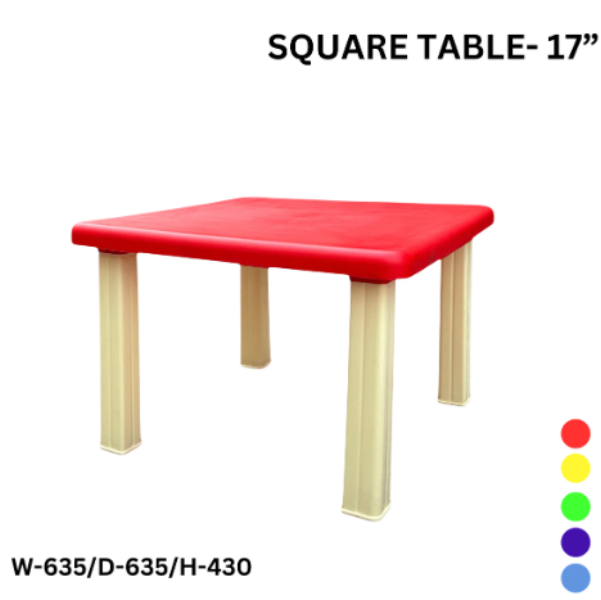
A preschool classroom is constantly changing throughout the day. It may begin with storytelling, move to drawing and craft sessions, continue with group learning, and end with snack time or educational games. A well-designed play school table supports each of these activities while helping teachers maintain an organised and engaging classroom.
For preschool owners, Montessori schools, daycare centres, and educational procurement teams in Delhi, selecting the right classroom tables involves more than choosing an attractive design. The ideal table should provide durability, safety, flexibility, and ease of maintenance to support children's learning experiences every day.
Understand How the Table Will Be Used
Before comparing products, schools should identify how the tables will be used throughout the day. Different classroom activities require different layouts and seating arrangements.
A quality play school table should comfortably accommodate activities such as:
- Drawing and colouring
- Reading and storytelling
- Building blocks and puzzles
- Group discussions
- Arts and crafts
- Snack and meal breaks
When a single table can support multiple classroom functions, schools can make better use of available space while reducing the need for additional furniture.
Choose the Right Size and Shape
Children need enough working space without feeling crowded. Tables that are too large can make classrooms difficult to organise, while very small tables may limit collaborative learning.
Different shapes serve different purposes:
- Round tables encourage interaction and teamwork.
- Square tables work well for small group activities.
- Rectangular tables are suitable for structured classroom layouts.
- Activity tables with curved edges help create flexible learning zones.
Selecting the appropriate size and shape depends on classroom dimensions, student strength, and teaching methods.
Prioritise Child Safety
Safety remains one of the most important considerations when purchasing preschool furniture. Since children spend several hours around classroom tables every day, every design element should minimise potential risks.
Look for tables with:
- Rounded corners
- Smooth, burr-free finishes
- Stable legs that prevent wobbling
- Strong construction that remains secure during daily use
- Child-friendly height for comfortable seating
These features help reduce accidents while creating a classroom environment where children can learn confidently.
Evaluate Durability and Maintenance
Preschool furniture is exposed to heavy daily use. Paint, glue, crayons, food spills, and frequent cleaning can quickly affect low-quality materials.
High-quality molded plastic tables provide several practical benefits:
- Resistant to moisture and stains
- Easy to wipe clean after activities
- Durable enough for continuous classroom use
- Less prone to cracking or chipping under normal conditions
- Retain their appearance even after years of use
For schools managing multiple classrooms, easy maintenance also helps reduce operational costs and staff workload.
Compare Manufacturers Before Purchasing
Choosing classroom furniture is a long-term investment, making the manufacturer's expertise an important consideration. Schools should evaluate suppliers based on product consistency, manufacturing quality, and their experience in educational furniture.
Useful questions include:
- Does the manufacturer specialise in preschool furniture?
- Can matching furniture be supplied in the future?
- Are the products designed specifically for children's safety and comfort?
- Is the furniture suitable for regular institutional use?
- Does the supplier offer a variety of classroom furniture options?
Comparing suppliers using these criteria helps schools make informed purchasing decisions rather than focusing only on pricing.
Making a Practical Investment
Educational institutions across Delhi often prefer manufacturers that understand the specific requirements of preschool classrooms. Companies such as Vaishno Plast manufacture molded furniture designed for schools, daycare centres, and kindergartens, with products intended to balance durability, safety, and functionality. Procurement teams exploring classroom furniture options frequently review product collections through wersafurniture.com as part of their evaluation process.
Selecting the right play school table is about creating a classroom that supports learning, collaboration, and safety every day. By considering classroom requirements, material quality, child-friendly design, and long-term durability, schools can invest in furniture that enhances the educational experience while delivering lasting value for both students and teachers.