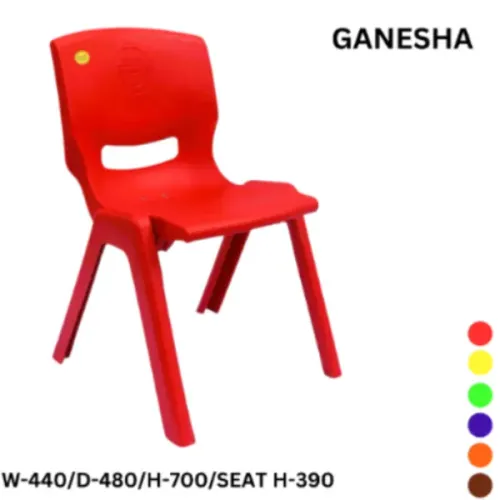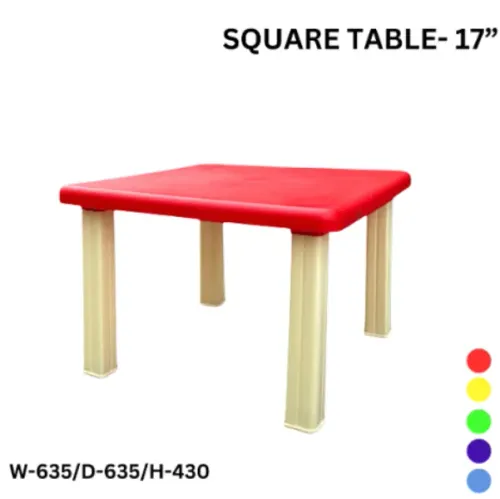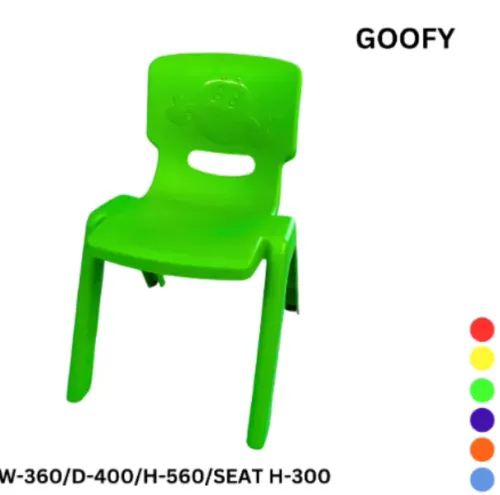


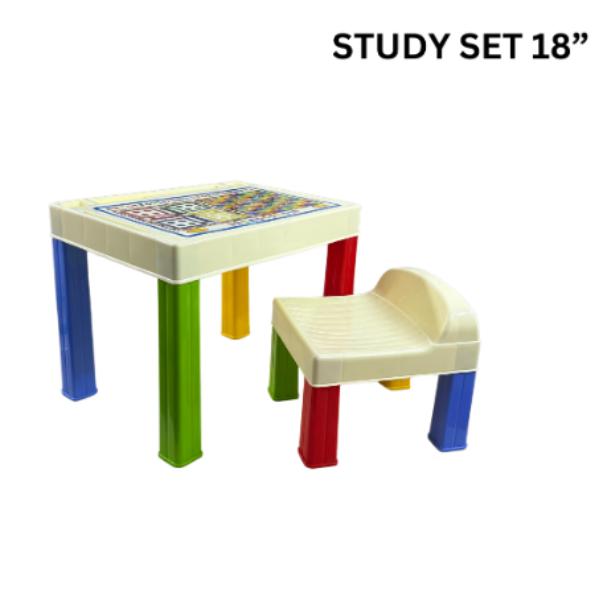
Selecting play school furniture is a decision that affects children, teachers, and school operations for years. While appearance and pricing often influence purchasing decisions, they should never be the only factors. Preschool furniture must support children's safety, daily learning activities, and long-term durability. Comparing available options carefully helps educational institutions make informed investments that deliver value well beyond the initial purchase.
For preschool owners, Montessori schools, daycare centres, and procurement teams in Delhi, evaluating classroom furniture systematically can prevent costly replacements and ensure classrooms remain functional as student enrolment grows.
Start with the Needs of Your Students
The first step in comparing preschool furniture is understanding who will use it. Furniture designed for toddlers may not be suitable for kindergarten students, and vice versa.
Consider factors such as:
- Age group of the children
- Average classroom strength
- Daily learning activities
- Available classroom space
- Indoor or outdoor usage
Matching furniture dimensions to children's age improves comfort and supports healthy posture throughout the school day.
Compare Material Quality
The material used in preschool furniture has a direct impact on durability and maintenance. Educational institutions should look beyond colour and design to evaluate how well the furniture performs under everyday classroom conditions.
High-quality molded plastic furniture offers several advantages:
- Resistant to moisture and spills
- Easy to clean and disinfect
- Lightweight yet durable
- Smooth finish with no splinters
- Suitable for frequent daily use
Furniture made from inferior materials may crack, fade, or become unstable after continuous use, increasing replacement costs over time.
Evaluate Safety Features Carefully
Safety should always be one of the highest priorities when purchasing preschool furniture. Young children are naturally active, making secure and child-friendly designs essential.
When comparing products, check for:
- Rounded edges and corners
- Stable construction that prevents tipping
- Smooth surfaces without sharp projections
- Strong weight-bearing capacity
- Child-appropriate height and dimensions
Even small design differences can significantly improve classroom safety.
Consider Classroom Flexibility
Modern preschool classrooms are designed to support a variety of learning experiences. Furniture should adapt easily to storytelling sessions, art activities, collaborative projects, and independent learning.
Look for furniture that is:
- Lightweight enough to rearrange quickly
- Easy to stack or store where applicable
- Compatible with different classroom layouts
- Designed to maximise available floor space
Flexible furniture allows teachers to create engaging learning environments without unnecessary effort.
Think Beyond the Purchase Price
The least expensive option is not always the most economical in the long run. Schools should evaluate the overall cost of ownership rather than focusing only on the initial investment.
Questions worth asking include:
- How long is the furniture expected to last?
- Is it easy to maintain?
- Can additional matching pieces be purchased later?
- Will it withstand heavy classroom use?
- Does the manufacturer have experience in educational furniture?
A durable product often proves more cost-effective because it reduces maintenance and replacement expenses.
Why Manufacturer Experience Matters
Educational furniture has different requirements from household or office furniture. Manufacturers specialising in preschool products understand child safety standards, classroom functionality, and the practical needs of schools.
Many educational institutions in Delhi prefer working with experienced manufacturers that provide consistent product quality across complete furniture ranges. Vaishno Plast focuses on molded furniture designed for preschools, daycare centres, and early learning environments. Schools evaluating different suppliers often review product specifications through wersafurniture.com to compare designs, materials, and available classroom solutions before making procurement decisions.
Choosing play school furniture should never be a rushed decision. By comparing material quality, safety features, classroom functionality, maintenance requirements, and manufacturer expertise, schools can create learning spaces that remain safe, organised, and comfortable for years. A thoughtful evaluation process helps educational institutions invest confidently in furniture that supports both children's development and efficient classroom management.